Common Problems With Aging Concrete Retaining Walls
People searching for concrete retaining walls repair are often looking to fix issues like cracking, leaning, or deterioration, and local contractors can help restore stability and safety.
Aging concrete retaining walls can develop a range of common problems that impact both the appearance and stability of a property. Over time, issues such as cracking, shifting, or bowing can occur, often caused by natural settling, soil pressure, or exposure to the elements. Property owners in the area who notice any signs of deterioration should understand that these problems are typical as concrete ages, but addressing them early can help prevent more extensive damage and costly repairs. Exploring solutions provided by local contractors experienced in concrete retaining wall repair can help maintain the safety and integrity of the landscape.
Understanding the typical challenges faced by aging concrete retaining walls is essential for homeowners and property managers alike. When walls start to show signs of distress, it may indicate underlying issues that require professional attention. Local service providers who specialize in concrete retaining wall repair can assess the condition of the structure, recommend appropriate fixes, and help restore stability. Keeping informed about these common problems encourages proactive maintenance, ensuring the long-term durability of retaining walls and the protection of surrounding property.
- Concrete retaining walls repair services are often needed when cracks or bulges develop due to age and shifting ground, and local contractors can assess and stabilize these structures. When signs of deterioration such as crumbling or water seepage appear, experienced service providers can perform targeted repairs to restore integrity. For walls showing leaning or tilting, local pros can evaluate the foundation and reinforce or rebuild as necessary to prevent further damage. When drainage issues cause erosion or undermining, local contractors can implement solutions to improve water management and protect the wall. In cases of extensive damage or failure, professional repair services can replace or retrofit aging concrete retaining walls to ensure long-term stability.
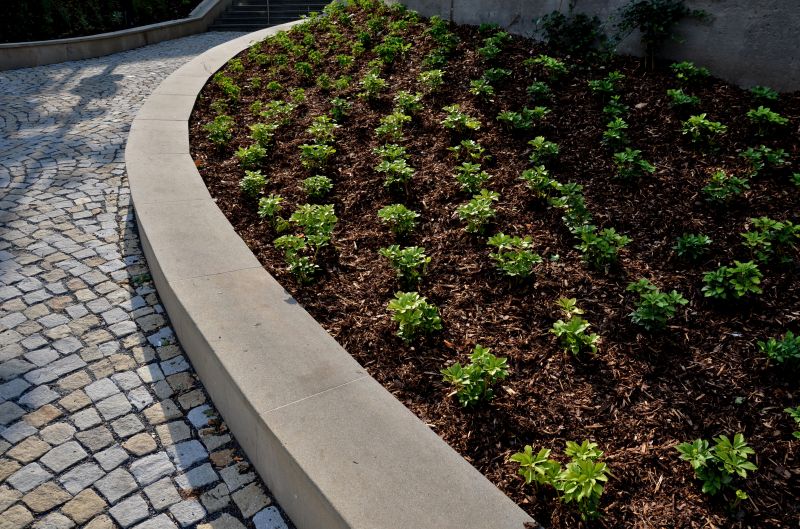
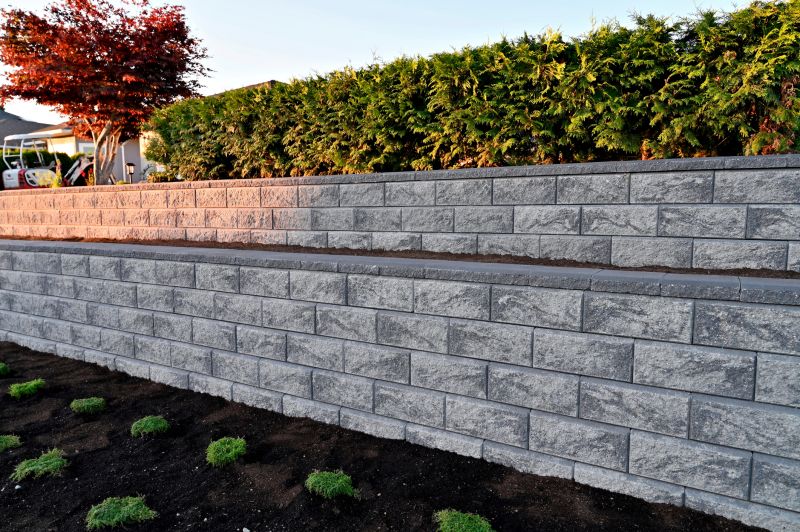
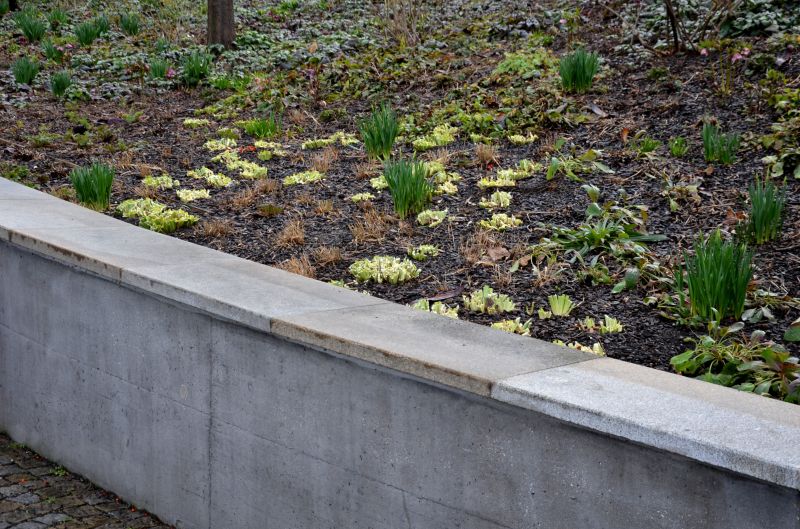
When searching for information on common problems with aging concrete retaining walls, homeowners are often trying to understand why their existing wall is showing signs of damage or deterioration. They may notice cracks, bulges, or leaning, which can signal underlying structural issues. Many people are concerned about the safety and stability of these walls, especially if they serve as boundaries or support for valuable landscaping and property features. This topic is closely related to planning repairs or replacements, as well as maintaining the integrity of the landscape and preventing potential property damage. Understanding the typical issues that develop over time helps homeowners decide when to seek professional assistance to address these problems effectively.
The problems associated with aging concrete retaining walls often involve structural and aesthetic concerns. Cracking is one of the most common issues, caused by soil pressure, temperature changes, or poor initial construction. Over time, cracks can widen, leading to water infiltration, which weakens the concrete and accelerates deterioration. Bowing or leaning walls are signs that the wall’s stability may be compromised, often resulting from soil erosion, improper drainage, or excessive load. Additionally, surface spalling or chipping can occur as the concrete ages, exposing reinforcement bars that may rust and further weaken the structure. These problems are typically interconnected, requiring a professional assessment to determine whether repairs or reinforcement are needed to restore safety and function.
A variety of properties may feature aging concrete retaining walls, ranging from residential yards to commercial landscapes. Homes with sloped yards often have these walls to create level areas for gardens, patios, or driveways. Properties situated on hilly terrain or with uneven ground frequently rely on concrete retaining walls for stability and visual appeal. Commercial properties, such as retail centers or industrial sites, may also have retaining walls that support parking lots or loading zones. Regardless of property type, the common thread is that these walls are essential for managing land elevation and preventing soil erosion. As they age, the likelihood of encountering common problems increases, making it important for property owners to recognize early signs of damage and seek local service providers who specialize in concrete retaining wall repair.
Understanding how local contractors fit into the process of addressing common problems with aging concrete retaining walls is crucial for homeowners. These service providers bring expertise in evaluating the condition of existing walls, identifying underlying issues, and recommending appropriate solutions. Whether it involves patching cracks, installing reinforcement, or rebuilding sections of the wall, local pros can tailor their approach to the specific needs of each property. They also understand local soil conditions, weather patterns, and building codes that influence repair strategies. Connecting with experienced concrete retaining wall repair specialists ensures that problems are handled efficiently and effectively, helping to preserve the structural integrity and appearance of the property while preventing more costly damage down the line.
Retaining wall reconstruction projects involve similar planning and structural assessments as repairs for aging concrete retaining walls, requiring expertise in foundation stability and material selection.
Concrete foundation repair services focus on addressing settling and cracking issues that are common in aging retaining walls, utilizing similar tools and techniques for stabilization.
Landscape retaining wall installation involves designing and building new structures that often require understanding of soil pressure and drainage, skills applicable to repairing damaged walls.
Crack repair and sealing projects are related to fixing surface deterioration in concrete structures, emphasizing the importance of proper surface prep and material application.
Drainage system installation is crucial for preventing water-related damage to retaining walls, a common cause of aging issues that local contractors can address effectively.
Soil stabilization services involve techniques to improve ground support around retaining structures, which can be essential when repairing or reinforcing aging walls.
When evaluating service providers for concrete retaining wall repair, it is important to consider their experience with similar projects. Homeowners should seek out local contractors who have a proven track record of handling common problems with aging concrete retaining walls, such as cracking, shifting, or water damage. An experienced contractor will be familiar with the specific challenges these issues present and will be better equipped to recommend effective solutions based on past work with comparable conditions.
Clear communication and written expectations are essential when working with any contractor. Homeowners should look for providers who can clearly explain the scope of work, the steps involved in repairs, and any potential limitations or concerns. Having detailed, written estimates and project plans helps ensure everyone is on the same page and minimizes misunderstandings. Good communication also includes responsiveness and transparency, which can be indicators of a professional approach and a contractor’s commitment to quality work.
Reputable references and a history of satisfied clients can provide valuable insight into a contractor’s reliability and craftsmanship. Homeowners are encouraged to ask for references or reviews from previous customers, especially those who had similar issues with aging concrete retaining walls. Additionally, choosing service providers known for good communication and professionalism can lead to a smoother repair process. When comparing local contractors, prioritizing those with a solid reputation and clear, open communication can help ensure the project is completed successfully and to expectations.
Property owners often search for common problems with aging concrete retaining walls when they are planning practical projects around their homes and businesses. Local pros provide Concrete Retaining Walls Repair services for everyday jobs and straightforward project options.
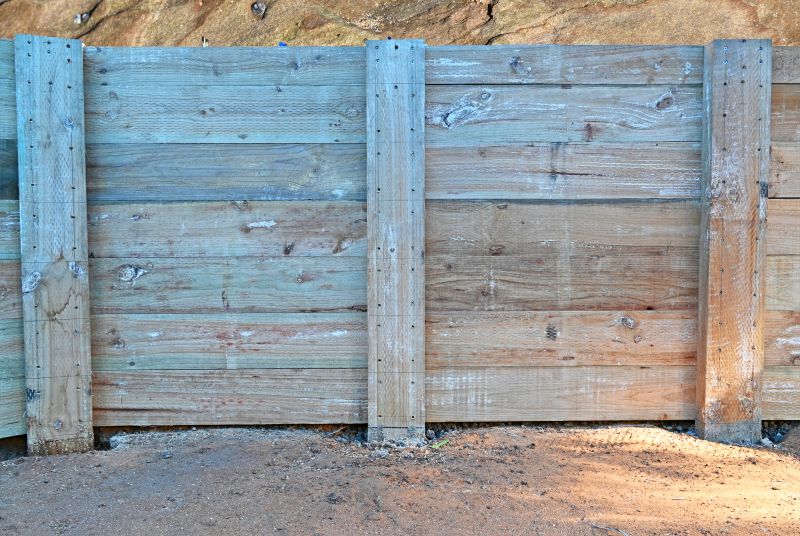
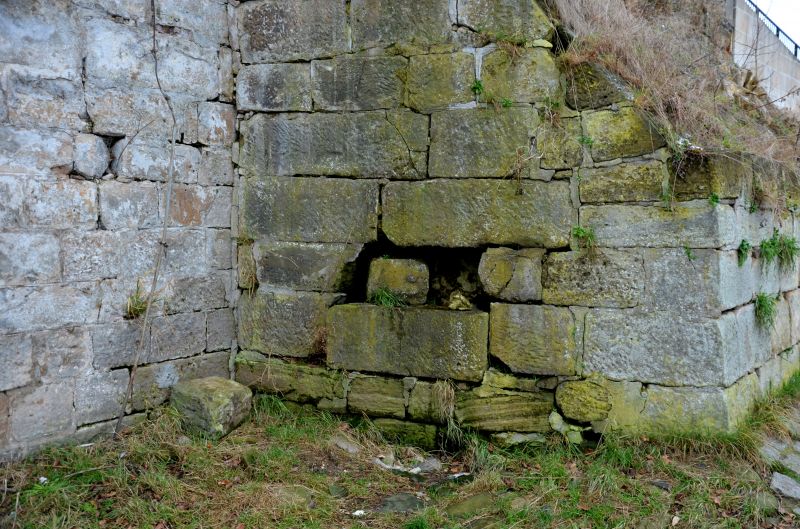
Many property owners notice issues with their aging concrete retaining walls as they begin to show signs of wear over time. Common problems with aging concrete retaining walls often include cracking, shifting, or bulging sections that can compromise the wall’s stability. These issues typically result from natural settling, soil movement, or exposure to the elements, which can cause the concrete to weaken or deteriorate. When such problems arise, it’s important to consider professional repair services to prevent further damage and maintain the safety and appearance of the landscape.
Homeowners in the area might seek out local contractors who specialize in concrete retaining wall repair to address these common issues. Skilled service providers can evaluate the condition of the wall, identify underlying causes like erosion or poor drainage, and recommend appropriate solutions such as reinforcement, sealing, or rebuilding sections. Connecting with experienced local pros ensures that repairs are handled efficiently and effectively, helping to extend the lifespan of aging retaining walls and keep properties secure and visually appealing.
What are common signs of damage in aging concrete retaining walls? Signs include cracking, leaning, bulging, or water seepage, which can indicate structural issues that local contractors can assess and repair.
Why does concrete in retaining walls tend to crack over time? Cracks often develop due to soil pressure, freeze-thaw cycles, or settlement, and experienced service providers can identify the cause and recommend appropriate fixes.
How can water damage affect aging concrete retaining walls? Water infiltration can weaken the concrete and lead to erosion or mold growth; local repair specialists can address drainage problems and reinforce the structure.
What causes leaning or bowing in concrete retaining walls? Excessive soil pressure, poor construction, or deterioration can cause leaning or bowing, which can be corrected by skilled contractors through stabilization or reinforcement.
When should a damaged concrete retaining wall be repaired? Repairs are needed when cracks, leaning, or water issues are evident, and local service providers can evaluate the condition and recommend necessary restoration work.
Identifying cracks and shifting - Property owners can recognize early signs of movement or cracking in aging concrete retaining walls and seek assistance from local contractors to assess and repair structural issues.
Addressing water drainage problems - Ensuring proper drainage around the wall can prevent water buildup that causes deterioration, with local service providers offering drainage solutions to maintain wall integrity.
Replacing damaged sections - When parts of a concrete retaining wall become crumbled or broken, local pros can replace or reinforce these sections to restore stability and prevent further damage.
Preventing soil erosion - Implementing erosion control measures with the help of local contractors can protect the base of the wall and prolong its lifespan against ongoing wear.
If you are thinking about common problems with aging concrete retaining walls for a property, this guide is meant to help you understand this topic, the typical project types, and how different options might fit your plans.
When you are ready, you can use the quote form on this page to share a few details about your project. From there, local pros can review the basics and follow up with options that match what you have in mind.